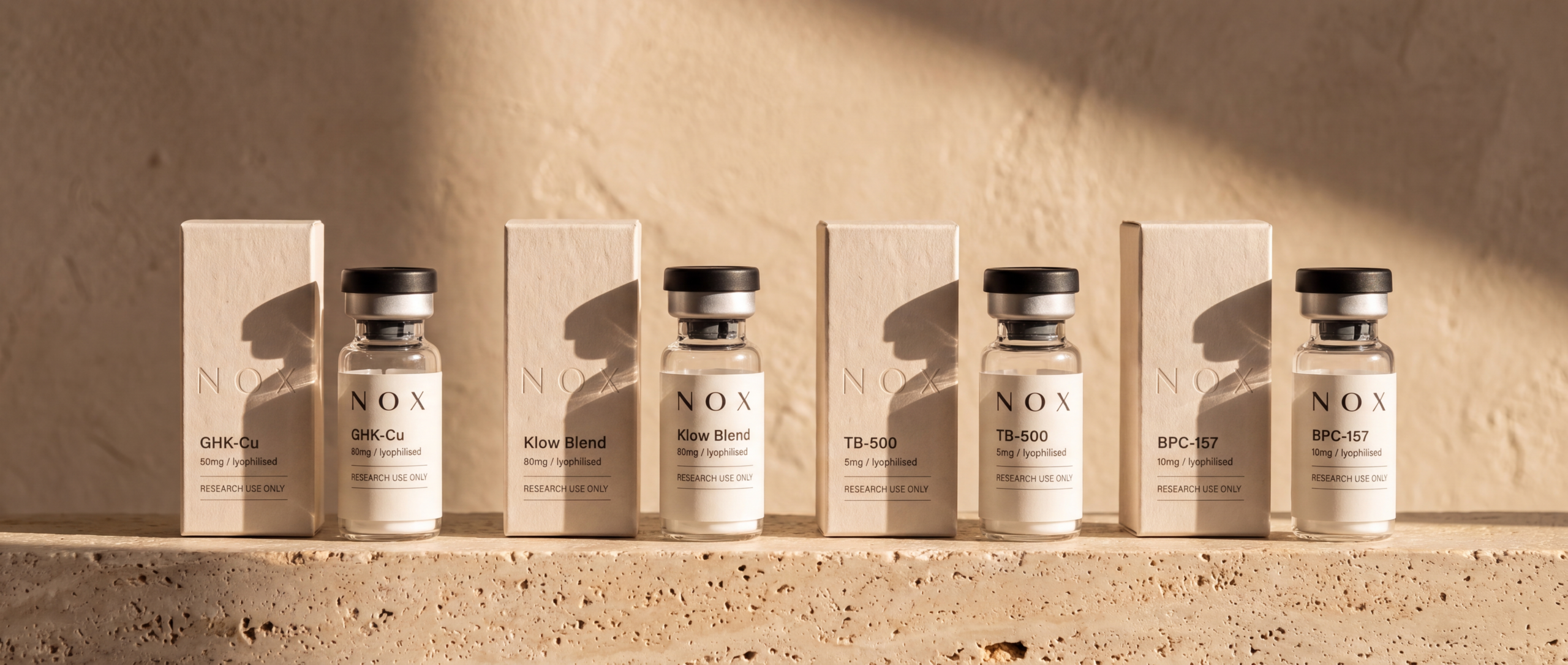
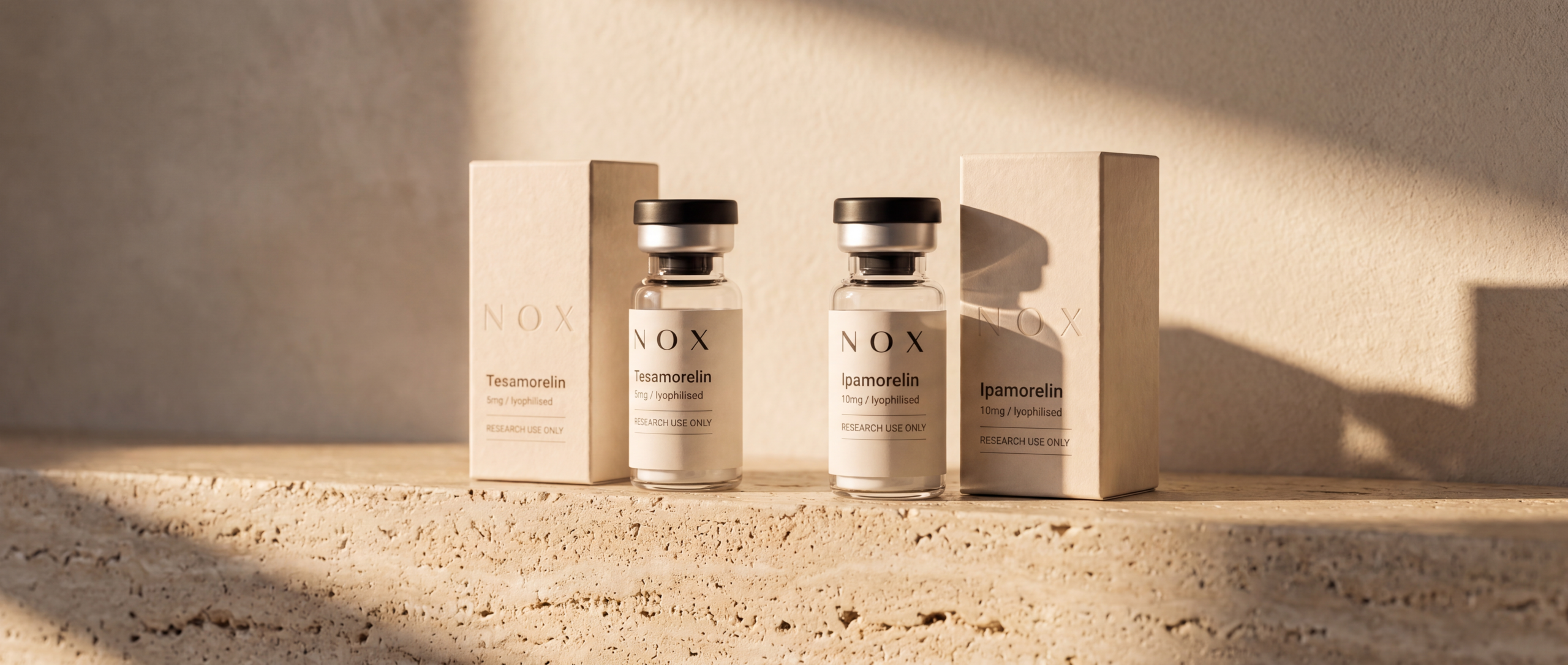
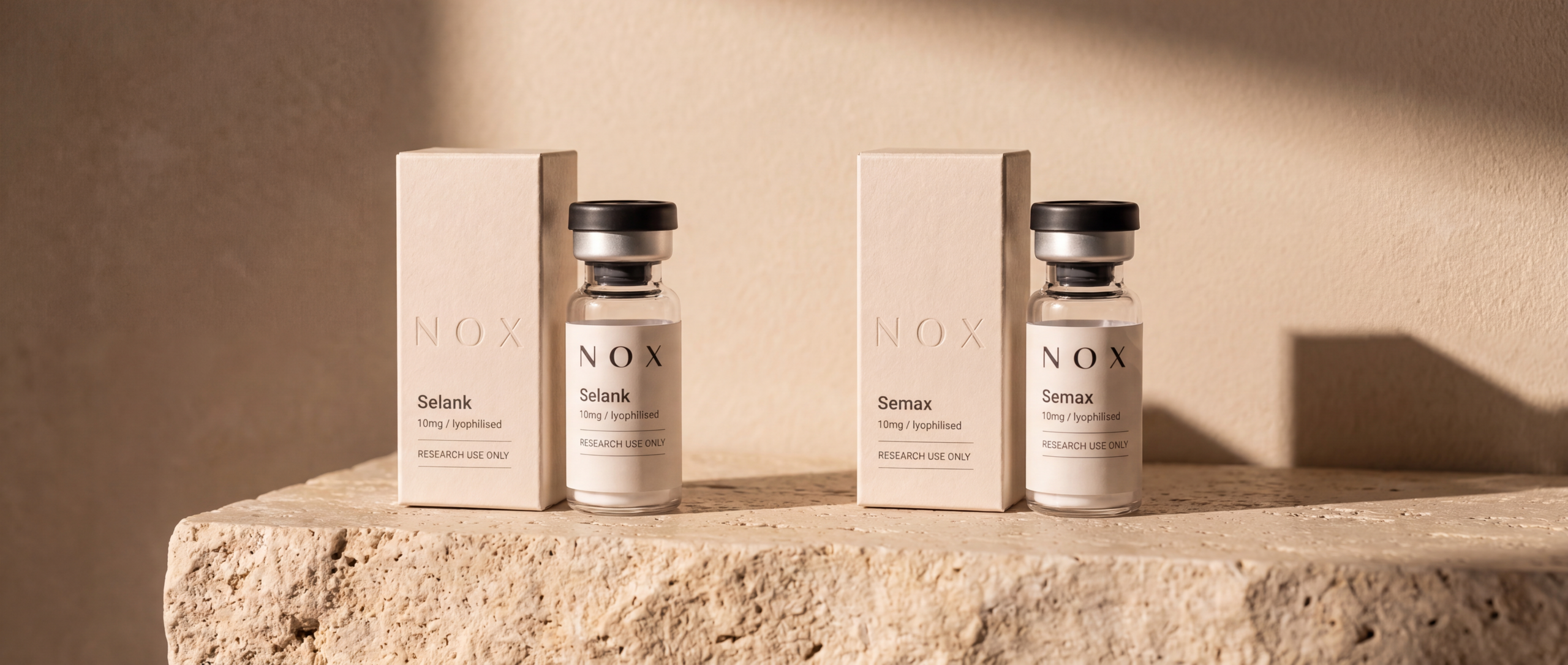
TB-500
- Insulated thermal dispatch, Royal Mail Tracked 24
- Next-day UK dispatch on working days
- Supplied for in-vitro laboratory research
- Plain, unbranded packaging
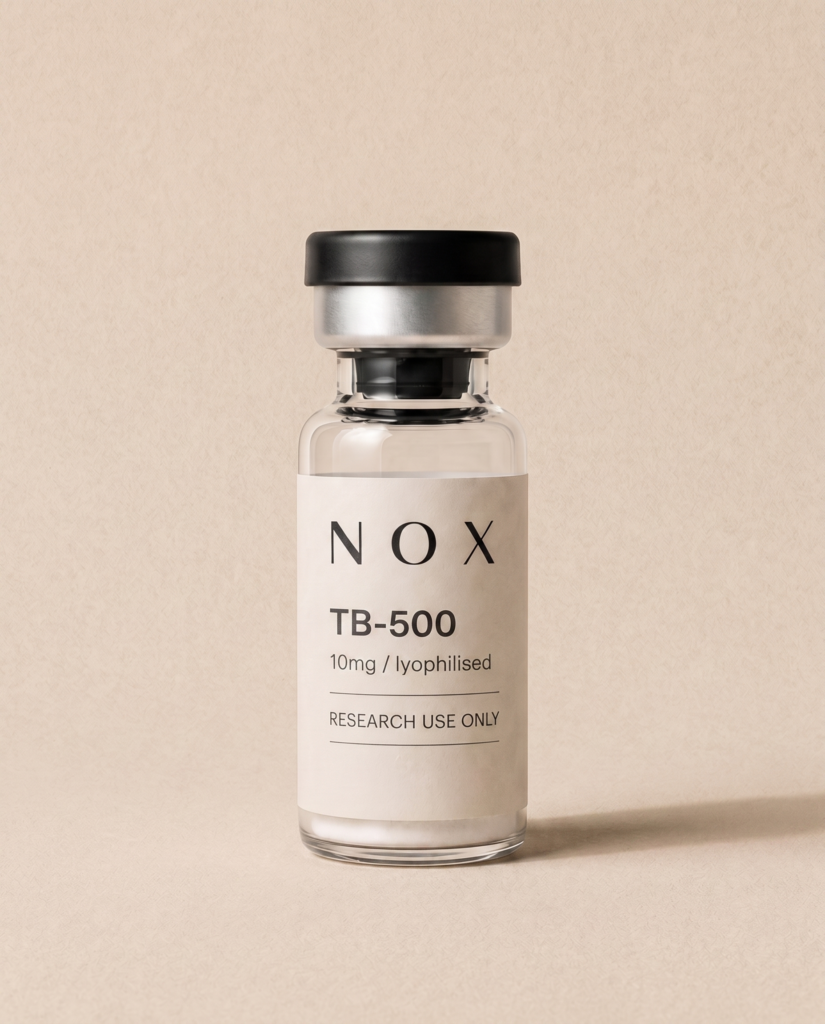
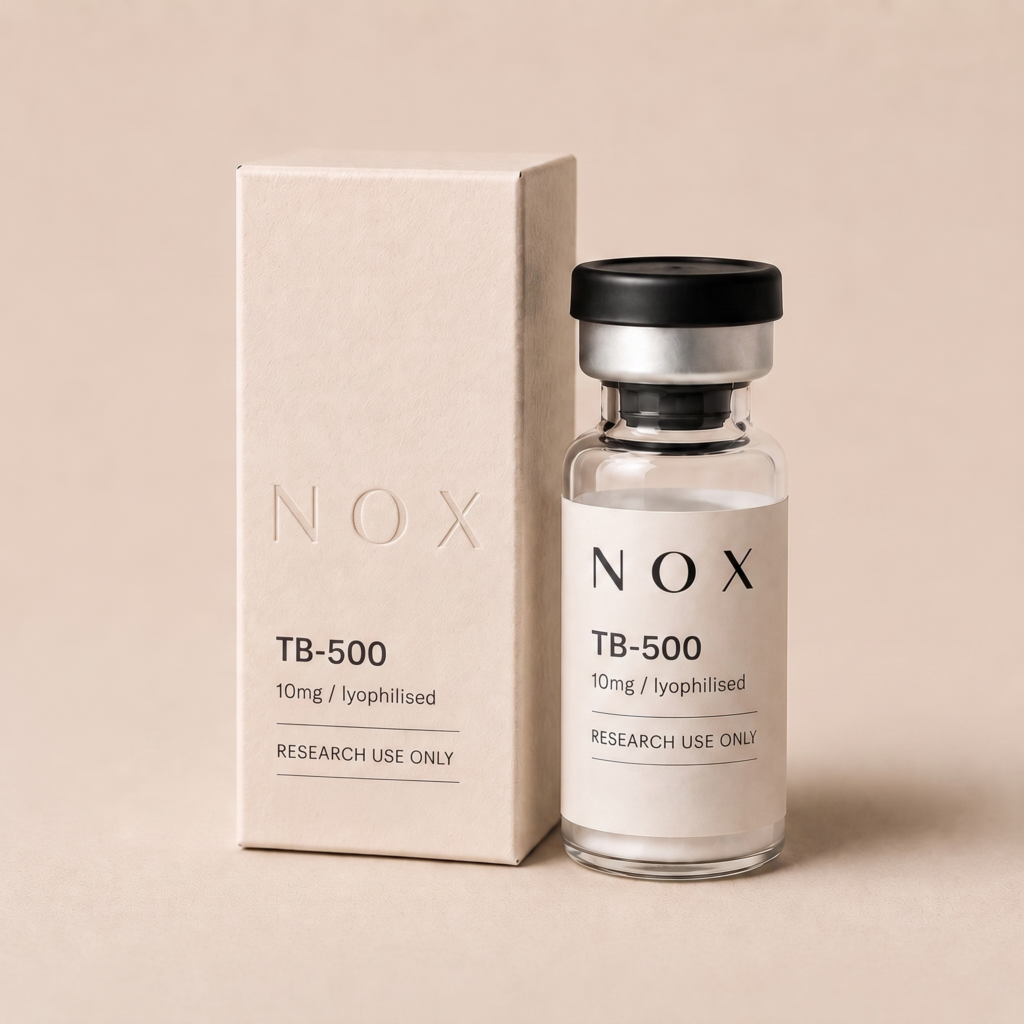
Inside the vial.
A quick look at what this peptide is, where it comes from, and what it’s studied for.
Thymosin fragment
An active region of the naturally occurring thymosin beta-4 protein.
7 amino acids
Active-site fragment of TB-4.
Tissue & tendon
Investigated in research models.
- State
- White powder
- Sealed under
- Nitrogen
- Reconstitute with
- Bacteriostatic water
Lyophilised
Reference data & specifications.
Explore Similar Compounds
A curated selection of related compounds for further research.
Frequently Asked Questions
Answers specific to this research compound.
TB-500 is a synthetic peptide that reproduces the actin-binding region of thymosin beta-4 (Tβ4), one of the most abundant intracellular proteins and a key regulator of the actin cytoskeleton. Rather than the full-length 43-amino-acid parent protein, it corresponds to the short active sequence responsible for binding actin, which is why it is used as a defined reference material in cytoskeletal and repair research. NOX supplies TB-500 lyophilised for research use only; the information here is educational and not guidance for any human, clinical or veterinary use.
The mechanism most studied in the literature is actin sequestration: TB-500 binds monomeric G-actin and holds it in a soluble pool, keeping a reserve of actin monomers available for rapid polymerisation when cells migrate or remodel. Regulating this monomer-to-filament balance is why it is referenced in research on cell motility, angiogenesis and tissue repair. This is educational mechanism context; TB-500 is supplied as a research reference material for research use only.
Although both are referenced in repair-related research, they are structurally unrelated: TB-500 is a fragment of thymosin beta-4 associated with actin dynamics and cell migration, whereas BPC-157 is a distinct synthetic sequence derived from a gastric protein and examined more in gut and connective-tissue models. They have separate mechanisms and separate literatures. Both are supplied by NOX as lyophilised reference materials for research use only.
Lyophilised TB-500 is supplied as a sealed, freeze-dried powder and is generally kept frozen and away from light, typically stored at around -20°C for long-term stability, while for shorter periods it can be kept in the fridge at 2–8°C. Keeping the vial sealed limits moisture uptake and helps preserve the dry material. This describes general laboratory handling of lyophilised research compounds and is provided for research use only, not as guidance for any other use.
Bacteriostatic water is commonly used to reconstitute lyophilised research compounds because the small amount of benzyl alcohol it contains helps limit microbial growth in a multi-use vial. It simply dissolves the freeze-dried powder into a liquid so the material can be handled in the laboratory. Reconstitution is performed strictly within a research context; TB-500 is supplied by NOX for research use only.
Once reconstituted, TB-500 is in solution and generally less stable than the dry powder, so the liquid is typically kept in the fridge at 2–8°C and protected from light. Researchers usually prepare only what a study requires and record the reconstitution date. This reflects general laboratory handling of reconstituted research materials and is offered for research-use-only context, not as guidance for human or veterinary use.
TB-500 is supplied as a lyophilised powder in 5 mg and 10 mg. The stated strength is the mass of compound sealed in the vial before reconstitution; the working concentration depends on the volume of solvent a researcher adds during preparation. All presentations are research reference materials supplied for research use only.
Yes. TB-500 is supplied by NOX strictly as a research reference material for laboratory and analytical use. It is not a medicinal product, food, cosmetic or veterinary product, and nothing in these answers should be read as guidance for human or animal use. All information here is provided for educational and research context only.